Adolescent programme of Montessori Schools Andílek · Grades 7-9
Adolescent programme of Montessori Schools Andílek · Grades 7-9
Adolescent programme · grades 7 to 9
A home for adolescents in Břve near Prague. The same leadership, the same principles and an environment in which adolescents have room to grow and develop.
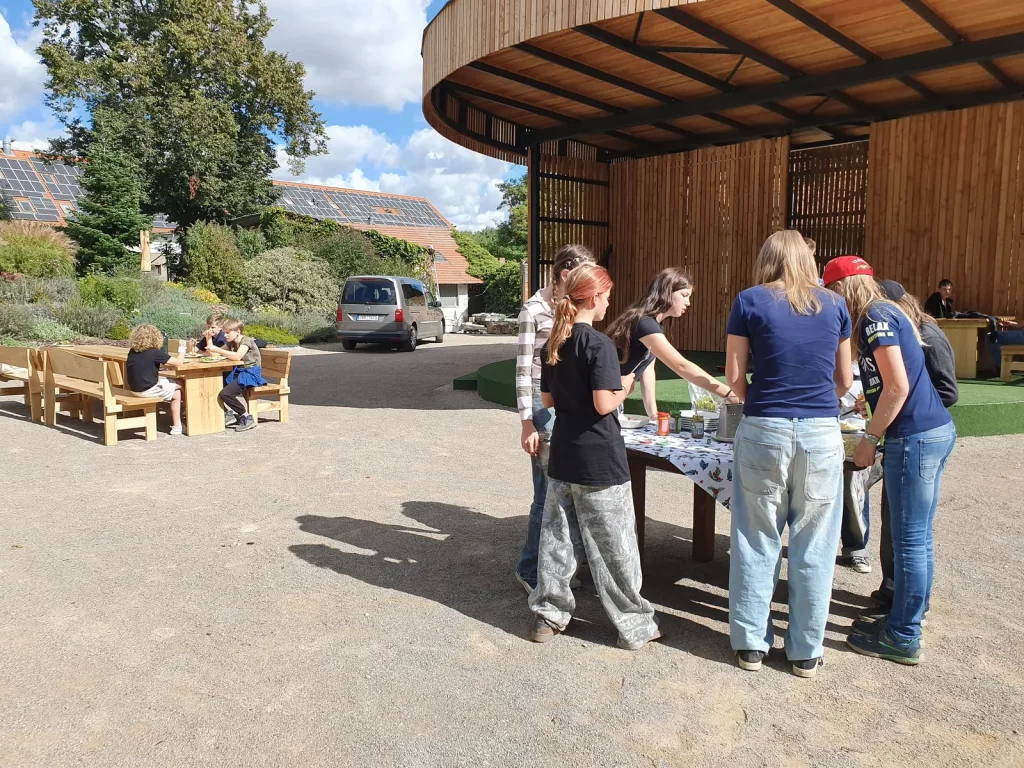
Břve
Adolescence is a time of searching for one's own identity and place in society. That is why we create an environment where students gain real experience, learn independence and cooperation, and gradually take on responsibility for themselves and for life in the community.
In Břve, education connects naturally with everyday life. Students help care for the environment, carry out their own projects and together build a community founded on respect and responsibility.
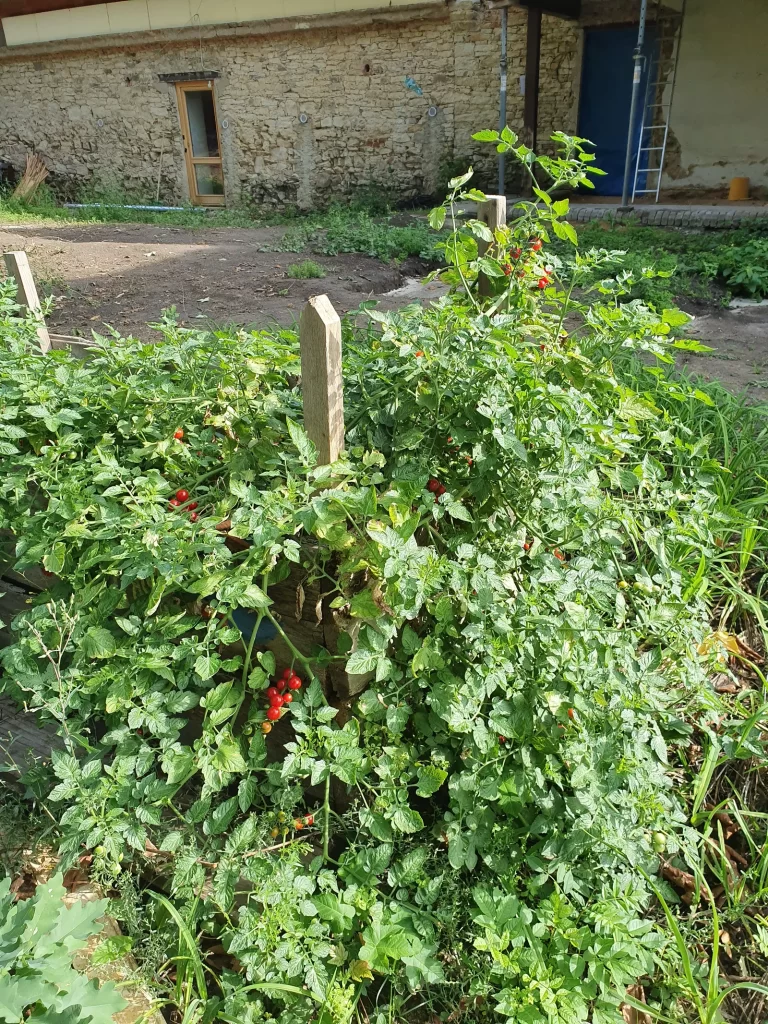
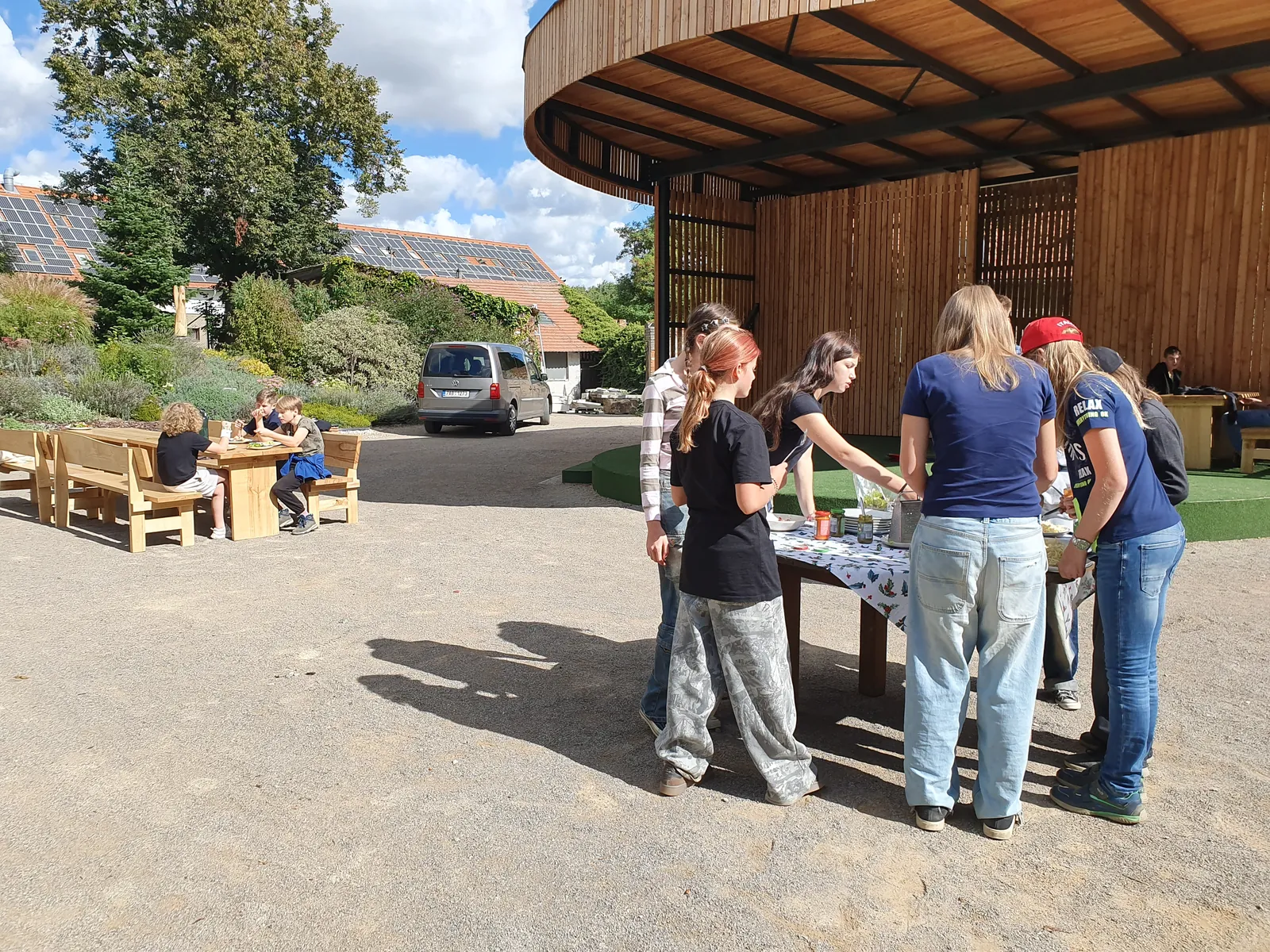
In the Montessori programme for adolescents, practical work is a natural part of everyday life and learning. Students cook together, tend the garden, make products and take part in selling and exchanging them. Through real work they develop independence, responsibility, cooperation and the ability to plan, solve problems and manage resources. They learn to bear the consequences of their decisions, overcome obstacles and appreciate the value of their own work and the work of others. They experience that their effort has concrete results and benefits the whole community. Practical work thus helps them discover their abilities, build healthy self-confidence and find their place in society.
Academic knowledge connects naturally with practice. Students use maths when planning budgets, language skills in presentations and science when working outdoors. They also try out their own business ideas, learn to put them into practice and present the results of their work to others.
Everyday life here is not divided into “school” and “the rest of the world”. Everything students do has its meaning and a concrete impact on their surroundings.
Every week
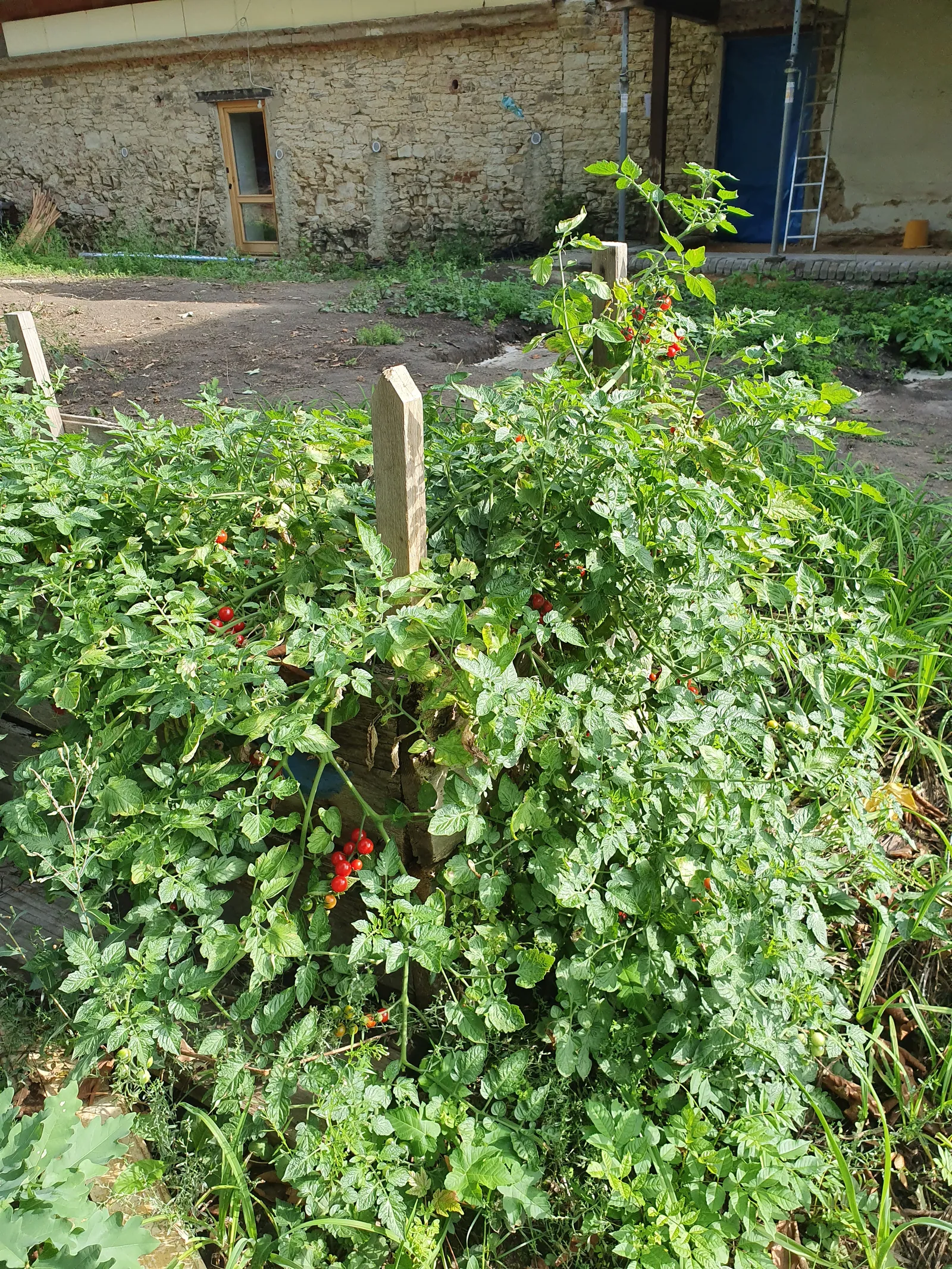
Adolescents look after their own needs, the house, the garden and the animals. Everyday work with their hands shows them that they matter and that their effort has a real result.
Students form a small society with its own rules, roles and responsibilities. They learn to reach agreement, make decisions together and resolve conflicts with respect for others.
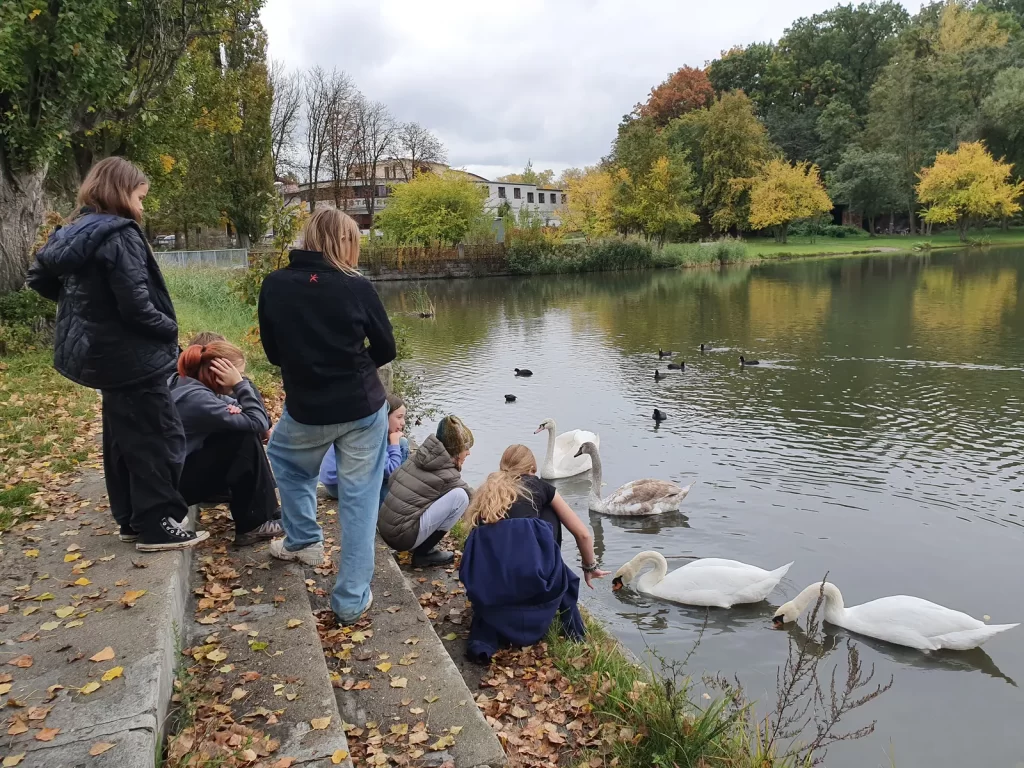
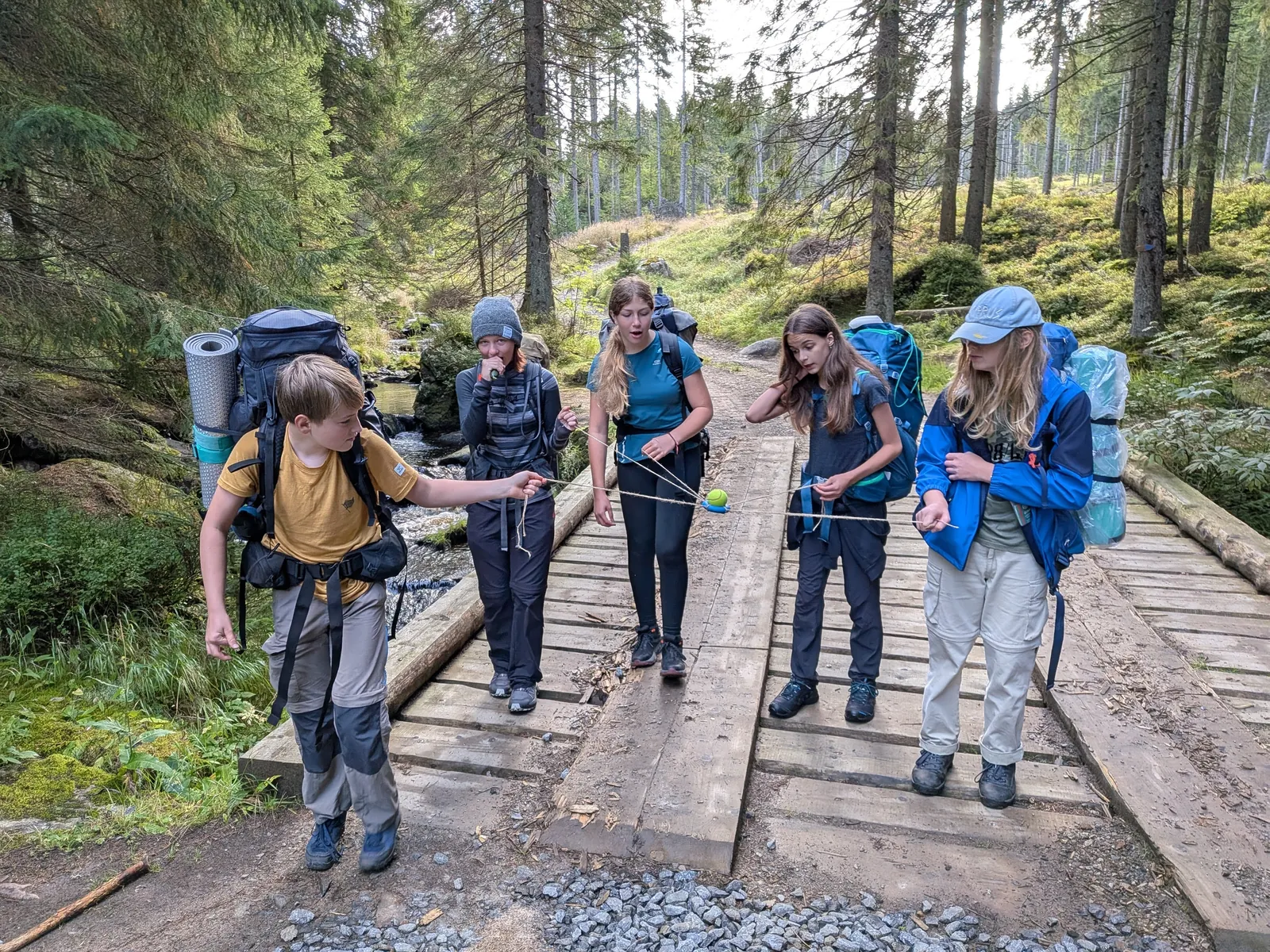
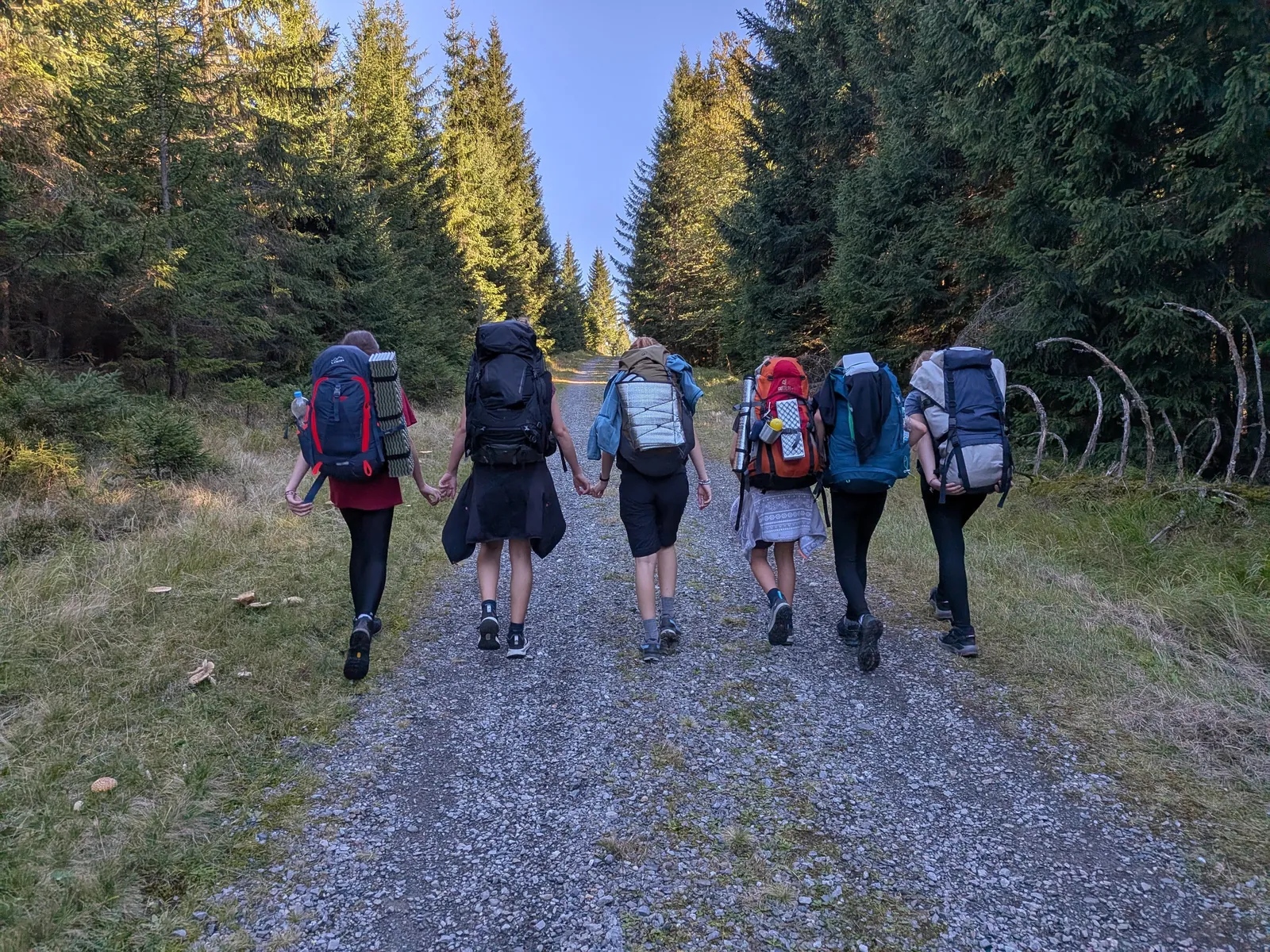
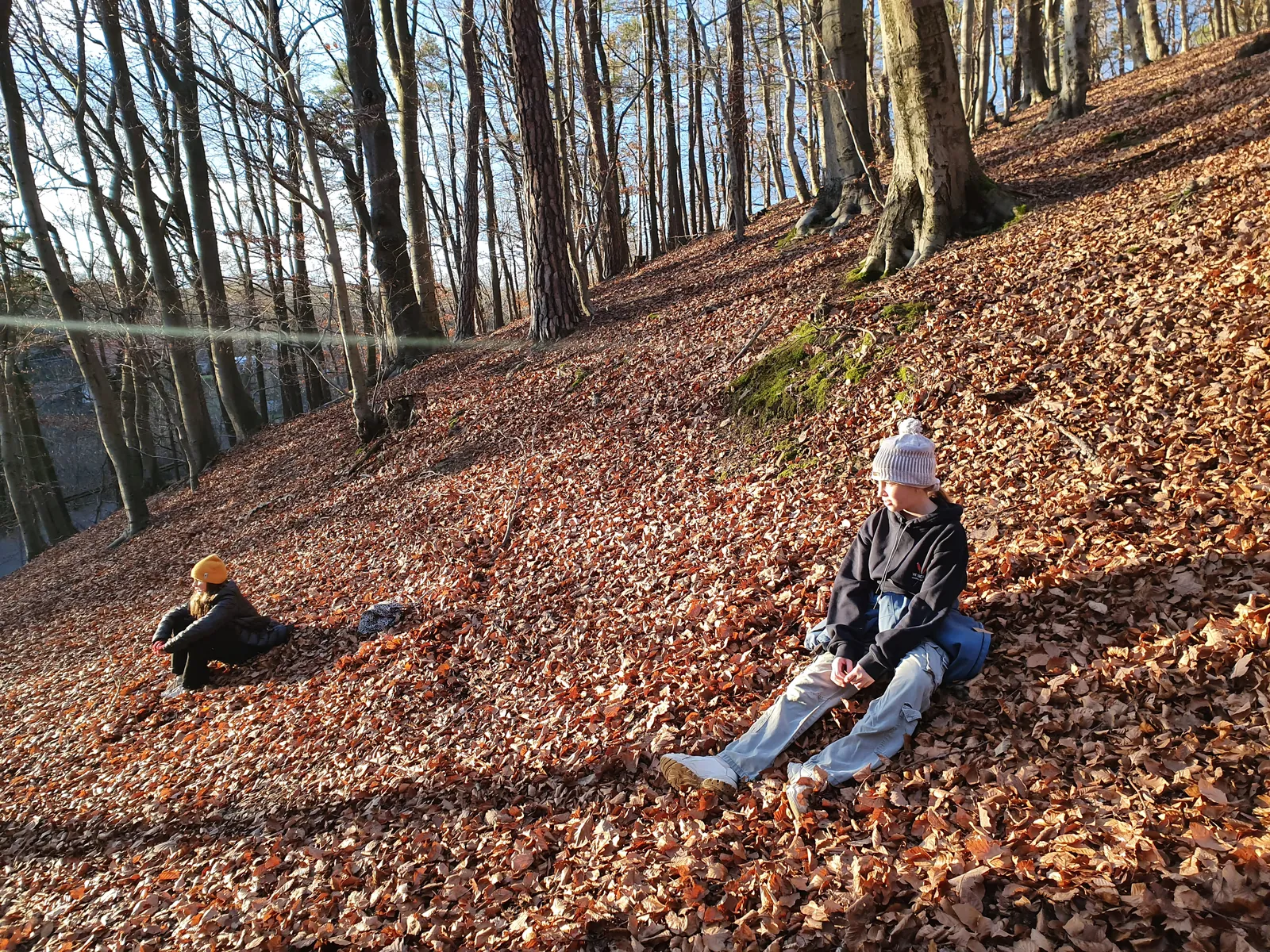
Adolescents need movement and time outdoors. Work in the garden, sport and trips into nature are a natural part of their week.
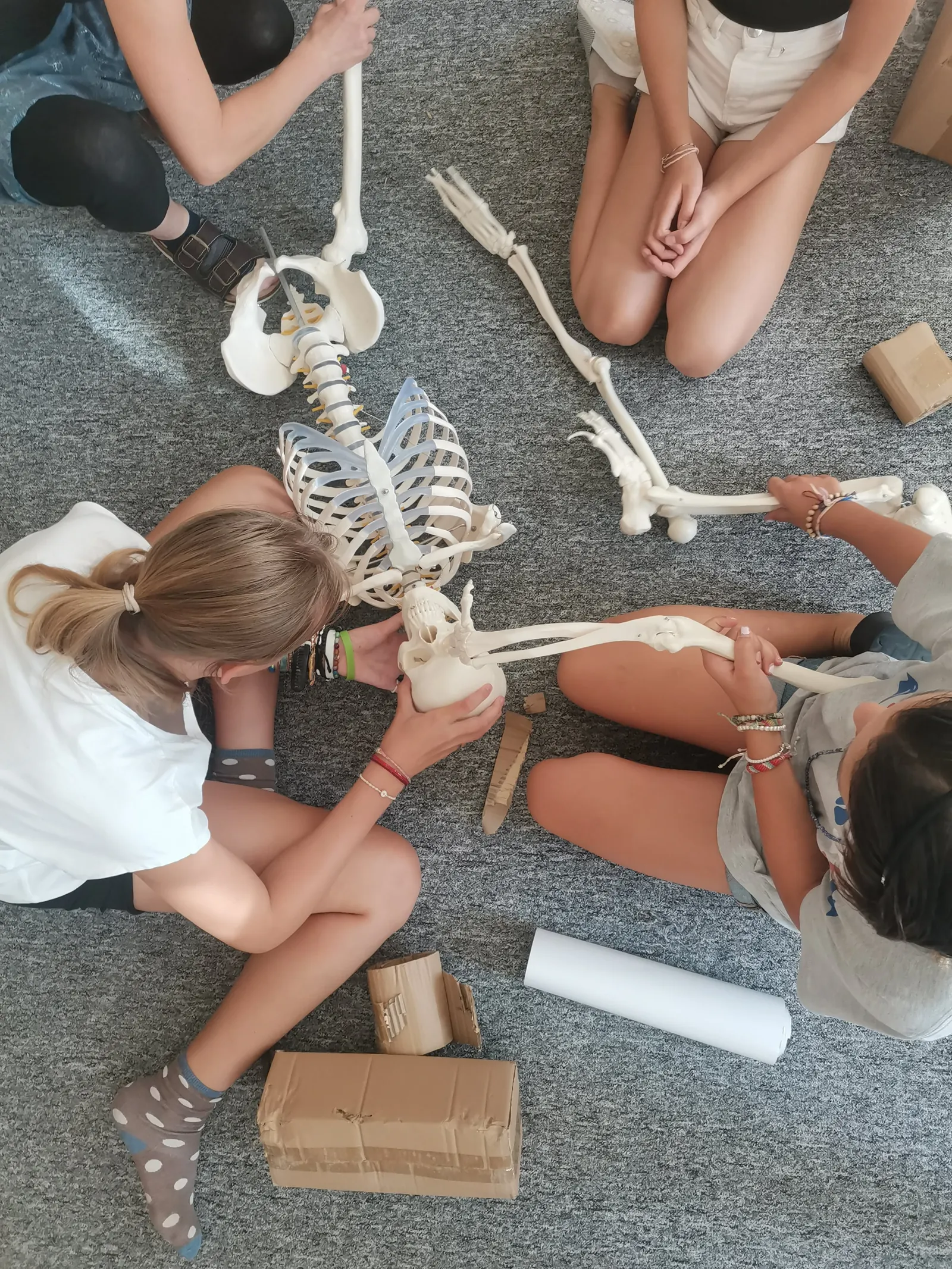
Academic work grows out of real questions and projects. Students understand why they are learning and use what they learn in maths, languages and science in the life of the community.
From idea to sale. Students make things, offer their products and services and discover how society works and what honest work is worth.
Music, theatre, art and presenting their own work help adolescents discover who they are. Visits to theatres and exhibitions and trips together broaden their horizons.
What a week looks like
Academic study forms the core of the week. The rest of the time belongs to real work for the community, caring for the house and garden, production and self-expression. Everything is connected.
Academic work
Seminars, workshops, study, research and projects
40-50%
Community management
Planning together, organising day-to-day life, cooking and caring for the environment.
15-20%
House and garden
Caring for the garden, the animals, the surroundings and the building itself.
15-20%
Production and exchange
Making products, selling them, managing money and keeping the accounts.
15-20%
Self-expression
Art, music, creative projects and presenting one's own work.
5-10%
Mission
We prepare adolescents for a full life in the community through meaningful work, study, responsibility and care for themselves, others and the world around us.
Developmental goal
A self-reliant, competent and ethical young person who knows their worth, contributes to the good of society and cares for the world they live in.
The heart of the programme
A safe, respectful and inspiring community where everyone has their place and voice.
Mutual respect
Communication and conflict resolution
Shared decision-making
Responsibility for oneself and others
Belonging and purpose
Daily responsibility · real work · service to the community
These three areas are the permanent foundation of our programme. They interconnect with academic work, running the community and self-expression, and are developed, refined and handed on from one generation of students to the next.
1
Caring for the living environment and maintenance
„Understanding the relationship between people and nature.“
What it develops
responsibility, patience, perseverance, care for living beings, knowledge of nature, ecological thinking, care for shared spaces
Where it happens
our house in Břve, its garden and surroundings
2
Running the community and caring for others
„Serving others leads to citizenship.“
What it develops
empathy, service, organisation, leadership, responsibility, teamwork, practical life skills, a healthy lifestyle
Who we cook for
For the children and adults at the Montessori Schools Andílek, our community, every day
3
Catering / selling products / sales from our garden
„Experiencing the value of work and understanding how society works.“
What it develops
creativity, perseverance, self-confidence, responsibility, understanding how society works and sensitivity to the moral questions of work and exchange
Where we sell
school, community, events, markets and fairs, online
Everything connected
Understanding the world and oneself in it.
mathematics · languages and communication · natural sciences · social sciences · history · research and projects
Experiencing citizenship, leadership and service to the community.
shared planning and rules · budget and finance · running daily operations · communication and mediation · taking part in decisions · meal planning, shopping, cooking, serving · cleaning and managing food
Understanding the relationship between people and nature.
caring for animals · growing and the garden · processing produce · caring for the landscape · maintenance · ecology and biodiversity
Experiencing the value of work and how society works.
making and creating · providing services · enterprise · marketing and sales · accounting · managing money
Finding and developing one's own voice and creativity.
visual art · music · theatre and movement · presenting and performing · writing and storytelling · photography and film · design and crafts
What a week looks like
Academic work
seminars, workshops, studies, research
40-50 %
Running the community
planning, organisation, cooking, cleaning
15-20 %
House and garden
the garden, animals, surroundings and the building itself
15-20 %
Production and exchange
making, selling, accounting
15-20 %
Self-expression
art, music, presentations
5-10 %
Developmental needs (ages 12-15)
Economic independence
“I can create something of value.”
Social recognition
“I am useful to the community.”
Real responsibility
“People count on me.”
A place in society
“Where do I belong?”
Understanding the world
“How does the world around me work?”
Moral orientation
“What kind of person do I want to be?”
Self-expression
“I can express who I am.”
Examples
historical research · scientific study · publication · exhibition
seasonal menu · school café · catering · the Andílek cookbook
a new aviary · an apiary · a herb garden · a composting system
markets and fairs · school shop · making products · new community services
theatre performance · author reading · film project · art exhibition
Outcomes
Risks and blind spots
The biggest risk is that the programme becomes a mere collection of activities instead of a living system: a set of workshops, trips or short-term projects.
That is why cooking, caring for the house and garden, and production and exchange are not one-off projects for us. They are a permanent part of community life in which adolescents grow up.
Hand · Mind · Heart · Work · Study · Relationships · Nature
Together we build the path to adulthood
Documents to download
Application for lower secondary (grades 7-9)
PDF, in Czech
Transfer application from another school
PDF, in Czech
From our history
Yearbook 2016/17
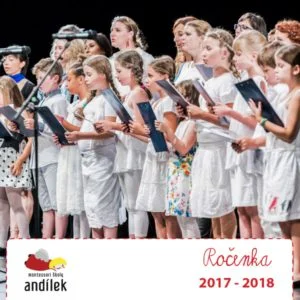
Yearbook 2017/18
Yearbook 2018/19
Yearbook 2019/20
Place and people
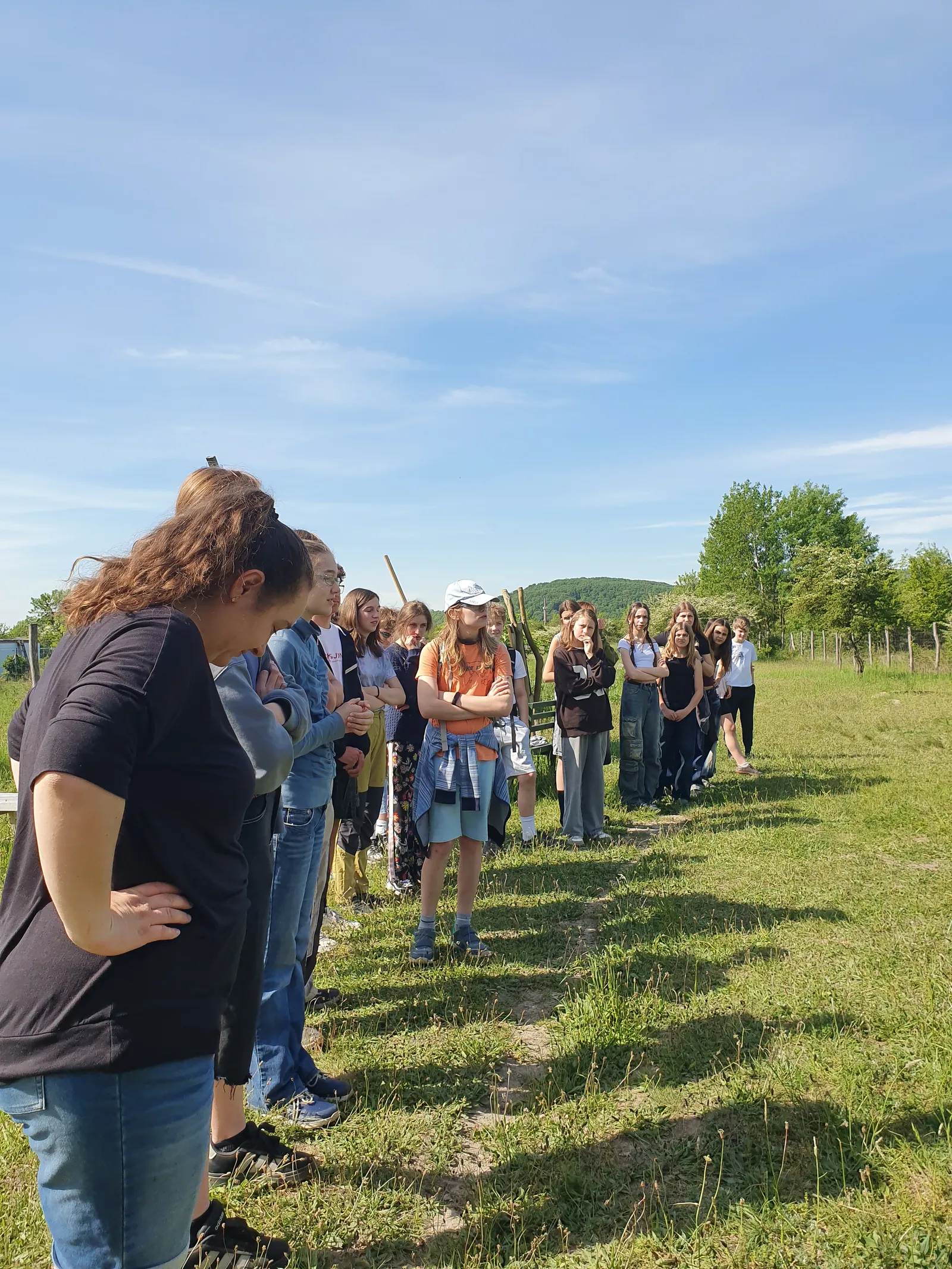
The best way to get to know Campus Terra is in person. Book a visit and we will gladly show you around our house in Břve and introduce our programme.